
Blogs
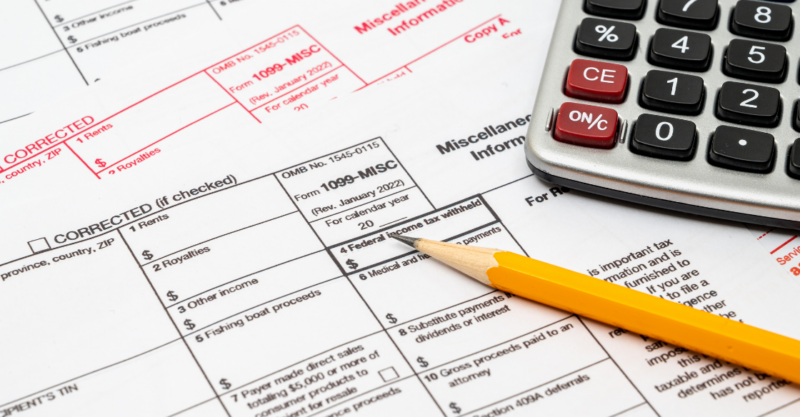
Stop Scrambling: How to Prepare Your Business for Tax Season
Tax season doesn’t have to mean chaos and last-minute scrambling. With the right preparation, you can approach filing deadlines with confidence rather than stress. Here’s what business owners need to know to get their financials ready for their CPA.
Key Dates to Remember at Tax Season
Mark your calendar for January 31—the deadline to issue W-2s to employees and 1099s to contractors. Missing these deadlines can result in penalties, so plan to have your year-end payroll and contractor payments reconciled well before this date.
Documents Your CPA Will Need
The specific documents your CPA requires depend on two factors: your business structure and how involved your CPA is with your finances throughout the year. If your accounting firm handles your monthly bookkeeping, they’ll already have most of what they need. However, if you manage bookkeeping internally, expect to provide more detail.
At a minimum, most CPAs will request a trial balance showing your year-end financials. Beyond that, common requirements include W-2s for business owners, detailed breakdowns of meals and entertainment expenses, tax expense records, and documentation of repairs and maintenance costs. Your CPA will also need information about any fixed asset additions or disposals during the year. If you’re on an accrual basis, make sure your year-end accruals are properly recorded.
Getting Your Books Ready for Tax Season
Before you hand anything over to your CPA, take time to clean up your books. Start by reconciling all bank statements, credit card accounts, and loan statements through year-end. This step catches errors early and prevents delays later.
One often-overlooked detail: verify that your retained earnings balance rolls forward correctly from your last tax return. If this number doesn’t reconcile, it usually means a prior-year transaction was posted incorrectly. Catching and fixing this now saves your CPA time and saves you money.
While your CPA won’t need to review every receipt, organize your documentation in case questions arise. Modern accounting software often allows you to attach receipts directly to transactions, making this process simpler than ever.
Planning Ahead for Next Year’s Tax Season
The best way to reduce tax season stress is to start earlier. Rather than rushing to close your books in February or March, aim to complete your year-end closing by January 31. This timeline gives you and your CPA breathing room to address any issues before filing deadlines.
Consider working with an accounting firm that provides in-house bookkeeping services. When your bookkeeper and tax preparer work together under one roof, information flows seamlessly. You won’t need to gather and transfer files between multiple providers, and your team will have a complete picture of your financial situation year-round.
Tax season doesn’t have to disrupt your entire first quarter. With organized records, clear communication with your CPA, and a realistic timeline, you can file accurately and on time while focusing on what matters most—running your business.Need help getting your books ready for tax season? Our team handles everything from monthly bookkeeping to tax preparation, giving you one less thing to worry about during this busy time of year. Contact us today if you’re tired of scrambling every tax season—we’ll help you build a system that keeps your books ready year-round.
Even well-run businesses have down years. Revenue dips, unexpected expenses pile up, or an economic shift hits harder than anticipated. What many business owners don’t realize is that a loss year doesn’t have to be a total write-off. The federal tax code includes provisions that may allow those losses to reduce your tax burden in …
Read more “How a Net Operating Loss Could Reduce Your Future Tax Bill”

You know that feeling when tax season rolls around and you realize you haven’t heard from your CPA since last April? That knot in your stomach isn’t just stress about taxes. It’s your gut telling you something’s off in this relationship. A great CPA does more than crunch numbers and file forms. They should be …